
Ghee for Dry Winter Skin — How to Use It as a Natural Moisturizer
Quick AnswerGhee can work as a rich, natural moisturizer for very dry winter skin, especially on hands, elbows, knees, and heels. Warm a small amount between your palms and massage it into damp skin at night. Because it is heavy, use only a thin layer on the face, and avoid it if you have acne-prone skin. For cracked, bleeding, or itchy skin that does not improve, see a doctor.
Why skin gets dry in winter
Cold air holds less moisture, and indoor heating dries it out further. Hot showers and harsh soaps strip the skin’s natural oils. The result is tight, flaky, sometimes cracked skin, especially on the hands, shins, and heels. The fix is to protect the skin barrier: gentle cleansing, lukewarm water, and a good occlusive layer to lock in moisture.
In Ayurveda, winter dryness is linked to aggravated vata dosha, which is cold, dry, and light. Warm, oily treatments such as self-massage are the traditional answer.
How ghee helps
Ghee is almost pure butterfat. Applied to damp skin, it forms a thin, emollient layer that slows water loss, which is exactly what very dry skin needs. Ayurveda has long used ghee externally, both plain and as medicated ghritas, for dry and cracked skin. Shata dhauta ghrita, ghee washed many times with water, is a traditional skin cream.
Modern dermatology agrees that rich, fatty occlusives help dry skin, though ghee itself has not been studied much as a skincare product.
Related reading on the GoSeva blog
- Panchgavya Skin Lotion for Winter Skincare
- Ghee for Cracked Heels — The Simple Overnight Ayurvedic Fix
- Gir Cow Ghee for Skin: The Ancient Beauty Secret That Actually Works
Trusted outside source: NHS: Common cold
How to use ghee on dry skin
Hands and elbows: after washing, pat skin until just damp, warm half a teaspoon of ghee between your palms, and massage in. At night, wear cotton gloves to boost the effect.
Heels and knees: massage ghee in after a warm foot soak and wear socks overnight.
Lips: a tiny dab of ghee is a traditional lip balm.
Face: use only a very thin layer on dry patches, and only if your skin is not oily or acne-prone. Patch test first.
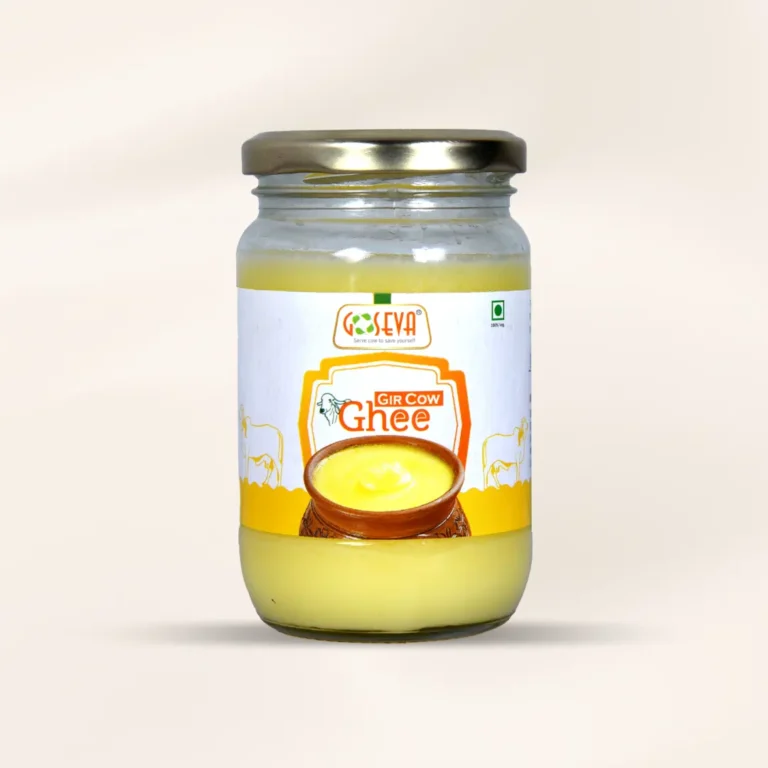
Use clean, pure ghee from a jar you keep only for skincare, such as a small jar of A2 Gir Cow Bilona Ghee, and always use a clean spoon.
Who should avoid it
Skip ghee on the face if you have oily or acne-prone skin, since heavy fats can clog pores. Do not apply it to open wounds, infected skin, or rashes. People with eczema or psoriasis should follow their dermatologist’s advice; some do well with simple occlusives, while others react. Stop if you notice redness, itching, or breakouts.
Other winter skin habits
Take shorter showers in lukewarm water, use a mild, fragrance-free cleanser, moisturize within a few minutes of bathing, run a humidifier in the bedroom, and drink enough water. Sunscreen still matters in winter, especially in snow. See a doctor for skin that cracks and bleeds, itches intensely, or does not improve after two weeks of good care.
Try Authentic A2 Gir Cow Bilona Ghee
Hand-churned by the traditional bilona method from Gir cows at our Gaurishala in Gujarat, India.
Frequently Asked Questions
Can I use ghee as a moisturizer?
Yes, ghee can be used as a rich moisturizer for very dry skin on the hands, elbows, heels, and lips. Apply a thin layer to damp skin, ideally at night.
Is ghee good for the face?
A very thin layer may help dry patches on non-oily skin, but ghee can clog pores on oily or acne-prone skin. Patch test first.
When should I see a doctor about dry skin?
See a doctor if your skin cracks and bleeds, itches intensely, shows signs of infection, or does not improve after two weeks of gentle care.
Gokripa Products — Gau Seva through Purity
Authentic A2 Gir Cow Bilona Ghee & Panchagavya products, supporting a Gir cow Gaurishala in Gujarat.
📱 Instagram: @goseva_gokripaproducts | 🎥 YouTube: @GoKripaProducts
👍 Facebook: /gokripaproduct | 💬 WhatsApp: +91 76984 89555
🛍 Store: gomataseva.org | Blog: blog.gomataseva.org




