
Milk Proteins and Human Health: Difference Cow Type A1/A2 milk
Quick Answer: Cow’s milk beta-casein protein comes in two main types – A1 and A2. Indigenous Indian breeds such as the Gir cow naturally produce A2-type milk, while many foreign breeds (Holstein, Jersey, and other European breeds) produce A1-type milk. Research has linked A1 casein to a higher risk of cardiovascular disease and immune-related issues, while A2 milk from Gir cows also brings extra nutritional benefits such as vitamin A, carotenes, vitamin E, omega-3 fatty acids, and CLA.
What Is the Difference Between A1 and A2 Milk?
Cow’s milk has long been valued as a source of high-quality protein around the world, especially in India, where culture, economy, and religious life are closely tied to rearing and maintaining cows in each household.
Global scientists have studied the relationship between cow-milk proteins and the risk of certain chronic human diseases. This research shows that beta-casein, the major milk protein, occurs in two variant forms: Type A1 and Type A2.
Type A1 casein is predominant in foreign breeds of cows such as Holstein, Jersey, and other European breeds, while Type A2 casein is the predominant feature of indigenous cow breeds such as the Gir breed. Many scientists consider the A2 protein found in indigenous breeds to be the original, genuine form, while certain mutations in exotic breeds led to the A1 variant, which some research suggests may be less suitable for human consumption.
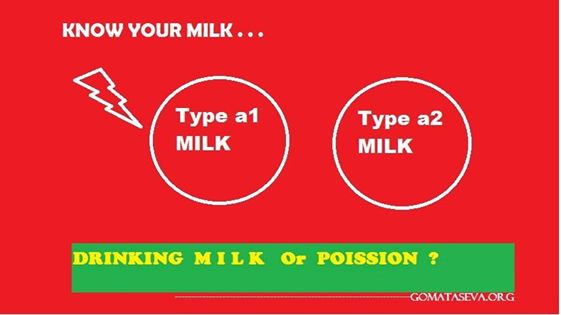
Why Indigenous Gir Cow Milk (A2) Is Considered Safer
Health Risks Linked to A1 Casein
People who consume milk high in A1 casein run a higher risk of cardiovascular disease and other immune-related issues that may pose a direct threat to general wellbeing. Conditions such as autism, schizophrenia, and other neurological disorders have been found to be more prevalent in populations that primarily consume A1-type milk.
Additional Nutritional Benefits of Gir Cow Milk
Beyond the A1/A2 casein difference, milk from grass-fed cows is rich in omega-3 fatty acids and conjugated linoleic acid (CLA), both important for brain and heart function. CLA is also considered one of the most potent natural defences against cancer.
Milk from the Gir breed is especially rich in Vitamin A, carotenes, and Vitamin E – a powerful antioxidant that is largely lacking in milk from European breeds.
Taken together, this means that milk from the Desi Gir Cow breed is not just a complete diet on its own, but also carries medicinal benefits that help keep human health in complete harmony.
Frequently Asked Questions
What is the difference between A1 and A2 milk?
A1 and A2 are two variants of beta-casein, the major protein in cow’s milk. A1 casein is common in foreign breeds like Holstein and Jersey, while A2 casein is the natural form found in indigenous Indian breeds such as the Gir cow.
Is A1 milk linked to health risks?
Research has associated higher consumption of A1 casein with an increased risk of cardiovascular disease, immune-related issues, and a higher prevalence of conditions such as autism and schizophrenia in populations consuming predominantly A1-type milk.
What nutrients make Gir cow milk especially beneficial?
In addition to its A2 protein profile, Gir cow milk is rich in Vitamin A, carotenes, Vitamin E, omega-3 fatty acids, and conjugated linoleic acid (CLA) – nutrients important for brain, heart, and overall immune health.
Why is A2 milk considered the “original” form of casein?
Many researchers believe A2 casein, found in indigenous breeds like the Gir cow, represents the original, genuine form of the protein, while a genetic mutation in certain European breeds resulted in the A1 variant.
Conclusion
The A1/A2 milk protein difference is one of the key reasons indigenous Desi Gir Cow milk is considered healthier than milk from foreign cattle breeds – combining a safer A2 protein profile with additional benefits from Vitamin A, Vitamin E, omega-3s, and CLA. To experience these benefits in dairy form, explore Gir Cow A2 Milk Powder from gomataseva.org, or A2 Gir Cow Ghee at gircowghee.org.




